Article: Why Tamoxifen Makes Your Skin Feel 'Off' (And Why It’s Okay That It Wasn’t Your Priority)
Why Tamoxifen Makes Your Skin Feel 'Off' (And Why It’s Okay That It Wasn’t Your Priority)
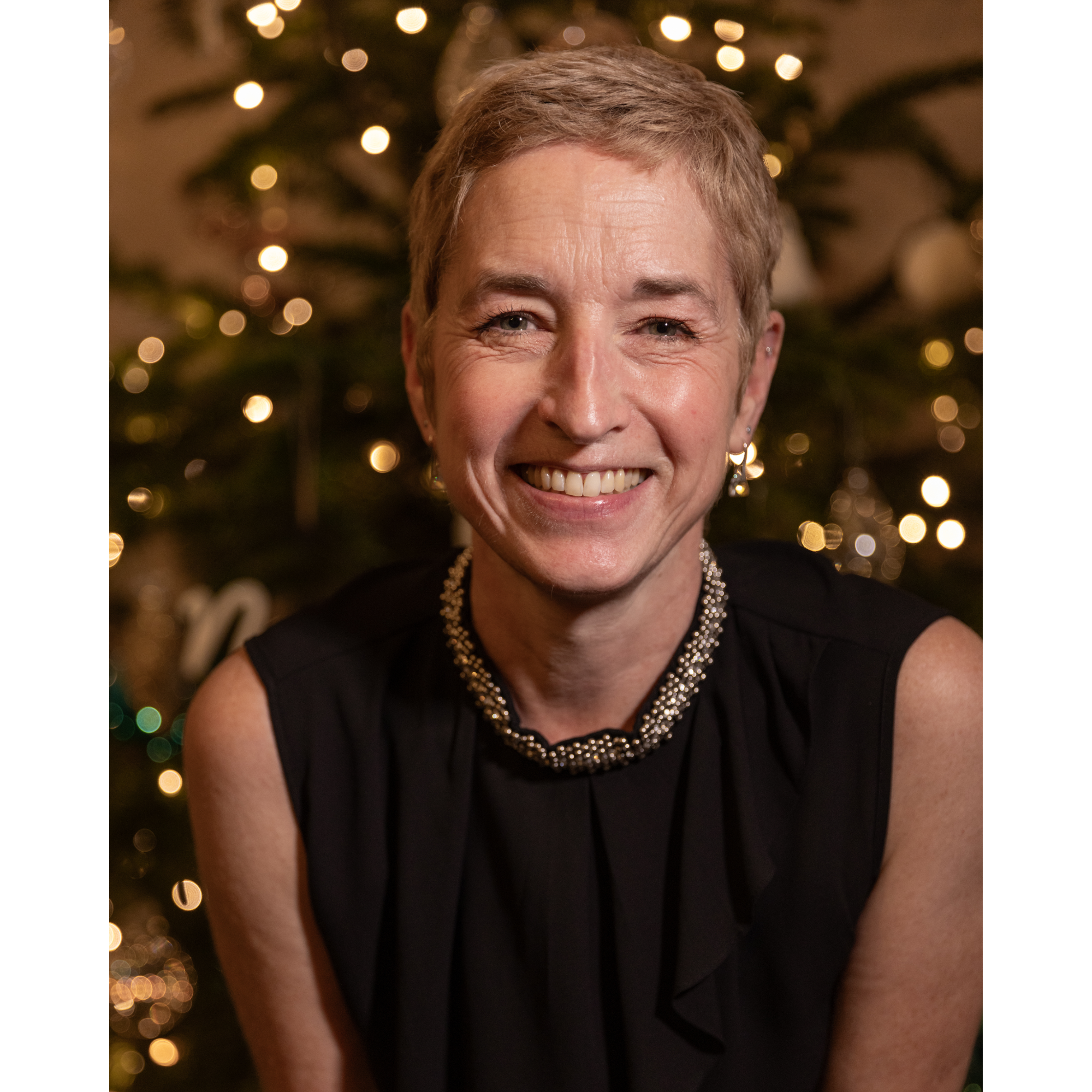
When you're facing cancer and navigating recovery, your skin is rarely at the top of your list. You're consumed by appointments, treatments, and the emotional weight of "just trying not to have cancer." If you've felt like you couldn't find the energy to care for your skin through multiple operations or years of medication, I want you to know: I was there too.
After 6 operations and nearly a decade on Tamoxifen, I vividly remember my skin feeling… "off." It wasn't just dry; it was like a complete stranger. It didn’t feel like a priority, because it wasn’t. My focus was on survival, and my skin became an afterthought.
But this period of intense medical transition taught me a profound lesson: your skin doesn't need to be another battle. It just needs gentle, intelligent support.
The Science Behind the "Off" Feeling: What Tamoxifen Does to Your Skin
Tamoxifen is a lifesaver for many, working by blocking oestrogen. While vital for treatment, this also induces a state of "medical menopause" within your body. Oestrogen plays a crucial role in maintaining healthy, resilient skin:
-
Sebum Production: Oestrogen helps regulate the natural oils (sebum) that keep your skin supple and form a protective layer. When it drops, skin becomes dry, dull, and prone to flaking.
-
Hyaluronic Acid Levels: This natural "sponge" in your skin holds onto moisture. Reduced oestrogen means less hyaluronic acid, leading to a feeling of constant dehydration and tightness.
-
Barrier Integrity: Your skin's outer layer, its protective shield, becomes compromised. This makes it more vulnerable to irritation, redness, and a general feeling of fragility.
Combined with the systemic stress and trauma of multiple surgeries, it's no wonder your skin feels "off." It's responding to significant internal changes.
Supporting the "Afterthought" Skin: A Gentle Approach
Because you’ve already been through enough, your skincare shouldn't be another burden. It should be a moment of quiet self-compassion. I created Puremess from this very need - to provide relief and resilience without adding to your stress.
Here’s a simple, effective approach I discovered for skin in medical transition:
-
Stop the "Leak": Seal in Moisture:
-
When oestrogen is low, your skin struggles to hold onto water, leading to what feels like perpetual dryness. Water-based lotions aren't enough. You need to replenish lost lipids and create a protective seal.
-
My Solution: Our Nourishing Facial Oil acts as a gentle "lipid hug." Rich in unrefined plant oils, it mimics your skin's natural barrier, locking in hydration and protecting against irritants.
-
-
Calm the Internal "Heat": Soothe Reactivity:
-
Hormonal shifts and surgical stress can make skin feel "hot," inflamed, or unexpectedly reactive. Aggressive ingredients only make this worse.
-
My Solution: Look for ingredients with powerful calming properties. Our upcoming Azure Restoration Cream (launching soon!) uses Blue Tansy and Geranium hydrosol to physically and aromatically quieten inflammation, bringing a feeling of coastal calm to stressed skin.
-
-
Embrace Gentle Everything: Compassion for Your Skin:
-
Your body has undergone immense trauma. This isn't the time for harsh exfoliants or complex routines. It's the time for simple, biocompatible ingredients that understand and respect your skin's vulnerability.
-
My Solution: Our Oat & Mandarin Cleanser is designed to soothe and cleanse without stripping. It's an act of kindness for skin that has been through enough.
-
Your Skin is Resilient (Just Like You)
If you’re reading this and recognising your own journey, please know that your skin, like you, is incredibly resilient. It's adapting, communicating, and doing its best to protect you. Don't fight it. Support it.
With love and deep understanding,
Gemma x

Written by Gemma Cockrell