The Skin Microbiome: Why Friendly Bacteria = Happier, Calmer Skin
What is the skin microbiome?
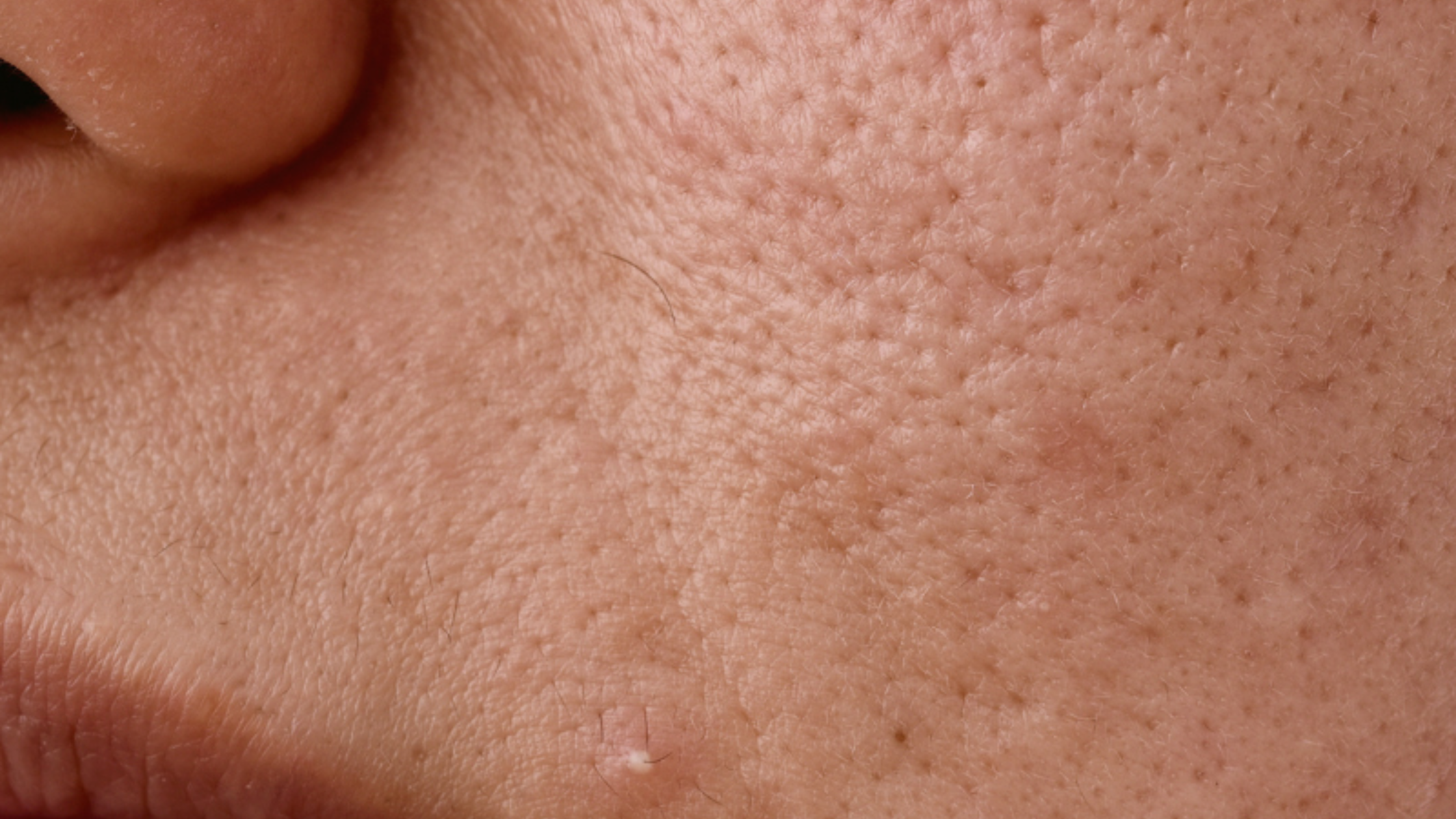
Think of the skin microbiome as a bustling eco-village of bacteria, yeasts and friends living on the surface of your skin. When this community is balanced, it boosts barrier function, crowds out troublemakers, and helps keep redness and dryness in check. When it’s thrown off balance (hello, harsh cleansers and over-exfoliation), skin gets cranky.
Probiotics vs prebiotics vs postbiotics (and which actually help)
-
Probiotics: live microbes. Great in yoghurt; trickier in skincare because stability and regulation are… a thing. Most “probiotic” creams actually use lysates/ferments (non-living fractions). Still helpful, but technically not live bugs.
-
Prebiotics: food for your good microbes (think inulin, alpha-glucan oligosaccharide). They’re stable, plant-derived and easy to formulate with - big win for natural skincare.
-
Postbiotics: beneficial by-products from microbes (like lysates and metabolites). These can support barrier repair and hydration without the storage drama of live strains.
Bottom line: in topical products, prebiotics and postbiotics are the most practical, evidence-backed route for everyday microbiome care.
pH: the quiet hero
Your skin likes life on the slightly acidic side (the “acid mantle”). Cleansers and leave-ons (toners, serums, facial oils, moisturisers, SPF, overnight masks) that respect this pH help the barrier behave and the microbiome thrive. Push pH too high for too long and you risk dryness and dysbiosis.
A quick word on dysbiosis: When your skin’s pH drifts too high or you over-strip with harsh cleansers, the balance of microbes on your skin can wobble - this is called dysbiosis. It often shows up as extra sensitivity, redness, dryness or more frequent breakouts. Keeping formulas slightly acidic (skin-friendly pH) and cleansing gently helps the “good neighbours” thrive so your barrier feels calm and resilient again.
Why “gentle cleanse, don’t strip” really matters
Some surfactants (like SLS) are brilliant degreasers… and excellent at roughing up the barrier. Research shows SLS can impair barrier function and nudge the microbial balance the wrong way. If your skin feels squeaky, it’s a sign you’ve over-cleansed and stripped the barrier. Choose mild, skin-friendly surfactants instead.
What a microbiome-friendly routine looks like
1) Low-foaming, pH-friendly cleanse
Short contact time, lukewarm water, no squeak. If you use a balm or oil cleanser, remove with a damp cloth - no harsh rubbing.
2) Feed the village (prebiotics + postbiotics)
Look for ingredients like inulin, alpha-glucan oligosaccharide, and lactobacillus ferments/lysates. These support microbial diversity and hydration.
3) Rebuild the barrier
Ceramides, cholesterol and fatty acids are your brick-and-mortar trio. Botanical oils help top up those lipids and support barrier repair, which in turn reduces transepidermal water loss (TEWL) - that’s simply water escaping through the skin. Less escape = calmer, more comfortable skin.
Great oil options (by fatty-acid profile)
Linoleic-rich (light, barrier-supportive)
-
Safflower (high-linoleic)
-
Sunflower (high-linoleic)
-
Grapeseed
-
Hemp seed
-
Evening primrose & borage (also bring GLA for stressed skin)
-
Rosehip (linoleic + a touch of linolenic; brightening, but more delicate)
-
Pumpkin seed & blackcurrant seed
Oleic-rich (nourishing, great for dryness)
-
Olive
-
Avocado
-
Sweet almond
-
Apricot kernel
-
Macadamia (also has skin-loving palmitoleic)
-
Marula & moringa
Balanced/stability heroes
-
Jojoba (technically a liquid wax; mimics skin’s own sebum - fantastic for balance)
-
Meadowfoam (very stable; helps lock in moisture and extends blend longevity)
Quick picker
-
Oily/combination or breakout-prone: favour linoleic-rich oils (grapeseed, hemp, high-linoleic safflower/sunflower, rosehip).
-
Dry/sensitised or mature: add some oleic-rich oils (avocado, macadamia, marula), optionally layered over a linoleic base.
-
If you want simple and steady: jojoba or meadowfoam are brilliantly well-behaved.
4) Go easy on exfoliation
Dead-cell turnover is useful; scrubbing your face is not. Keep acids/granules gentle and infrequent to avoid microbiome turbulence. Or even better, try a gentle konjac sponge.
5) Daily SPF
UV stress can shift microbial balance and inflame skin. Mineral filters pair beautifully with natural formulas.
Who benefits most?
-
Sensitive, dry or reactive skin: gentler cleansing + lipid replenishment + (optional) pre/postbiotics can dial down flares.
-
Mature skin: ageing alters barrier lipids and microbial patterns; microbiome-supporting care may help maintain resilience and comfort.
-
Acne-prone skin: Supporting a diverse microbiome can be more sustainable. Aim to restore balance rather than go all-out with stripping treatments.
What to look for on labels (and what to skip)
Yes, please:
-
Prebiotics (inulin, alpha-glucan oligosaccharide)
-
Postbiotics/ferments (e.g., lactobacillus ferment/lysate)
-
Barrier lipids (ceramides, cholesterol, fatty acids), glycerin, hyaluronic acid
-
Mild surfactants; fragrance kept subtle
Maybe not today:
-
High-pH soaps for the face
-
Repeat daily strong acids or scrubs
-
SLS in leave-on or frequent-use facial cleansers (your barrier will thank you)
How Puremess does “microbiome-friendly” (powered by oils, butters, waxes)
At Puremess, we keep skin calm by respecting the barrier first. That means gentle cleansing, smart hydration and topping up natural lipids with thoughtfully chosen carrier oils, butters and waxes - all in planet-kind packaging.
Our lipid-loving lineup (highlights)
-
Jojoba - technically a liquid wax that mimics skin’s own sebum, helping balance without heaviness.
-
Apricot kernel & sweet almond - gentle comfort for dry or delicate skin.
-
Avocado - oleic-rich replenishment for skin that needs a deeper hug.
-
Rosehip - a touch of glow with essential fatty acids; we keep it cushioned in blends to protect its delicacy.
Butters & waxes for the “seal the deal” step
-
Shea, cocoa and mango butters - cushiony occlusives that soften rough patches and help reduce water escaping through skin.
-
Plant waxes (e.g., candelilla) - add structure to balms and create a breathable, protective finish.
Essential oils - used thoughtfully
We do use essential oils, but lightly and purposefully for a gentle sensory lift. We keep dilutions skin-respectful and avoid known irritants at higher levels - because a happy barrier beats a busy fragrance any day. (Sensitive skin? We can guide you to our calmest options.)
Spotlight: Oat & Mandarin Cleanser
-
Why oats? Oat milk is naturally rich in beta-glucans - soothing, film-forming humectants that help skin feel calm and cushioned after cleansing (great when you’re avoiding that tight, “over-cleansed” feel).
-
Why castor oil? Castor oil contains ricinoleic acid, which is brilliant at dissolving sunscreen, makeup and excess sebum while respecting the skin’s own lipids. It lifts grime without the strip.
-
Mandarin essential oil (subtle & thoughtful): used lightly for a clean, bright scent and rinse-off sensorial lift.
-
Texture & finish: balm/cream feel that melts on contact, removes with a warm damp cloth, and leaves skin clean, not squeaky.
How to use
-
Massage a 10p-sized amount onto dry skin for 30 - 60 seconds.
-
Emulsify with damp fingertips if you like.
-
Remove with a warm, soft cloth.
-
Skin should feel comfortable - no tightness.
FAQ
Are live probiotics in creams better?
Not necessarily. Live strains are hard to keep stable in a jar. Postbiotics and ferments deliver benefits without the logistics headache.
Will a single product “fix” my microbiome?
It’s more about a routine: gentle cleanse + replenish + protect (and, if you choose, pre/postbiotics). Consistency beats a miracle one-off.
Can I overdo actives if they’re “natural”?
Yes. Even natural acids and essential oils can overwhelm the barrier if used too often or too strong. Balance is queen.
The takeaway
When you treat your skin’s tiny ecosystem with kindness - gentle cleanse, replenish, protect - it pays you back with calm, comfortable glow. If you’re ready to start simple, our Oat & Mandarin Cleanser plus our Nourishing Facial Oil make a beautiful first step. Your skin (and the planet) will thank you.

Written by Gemma Cockrell