Skin in Transition
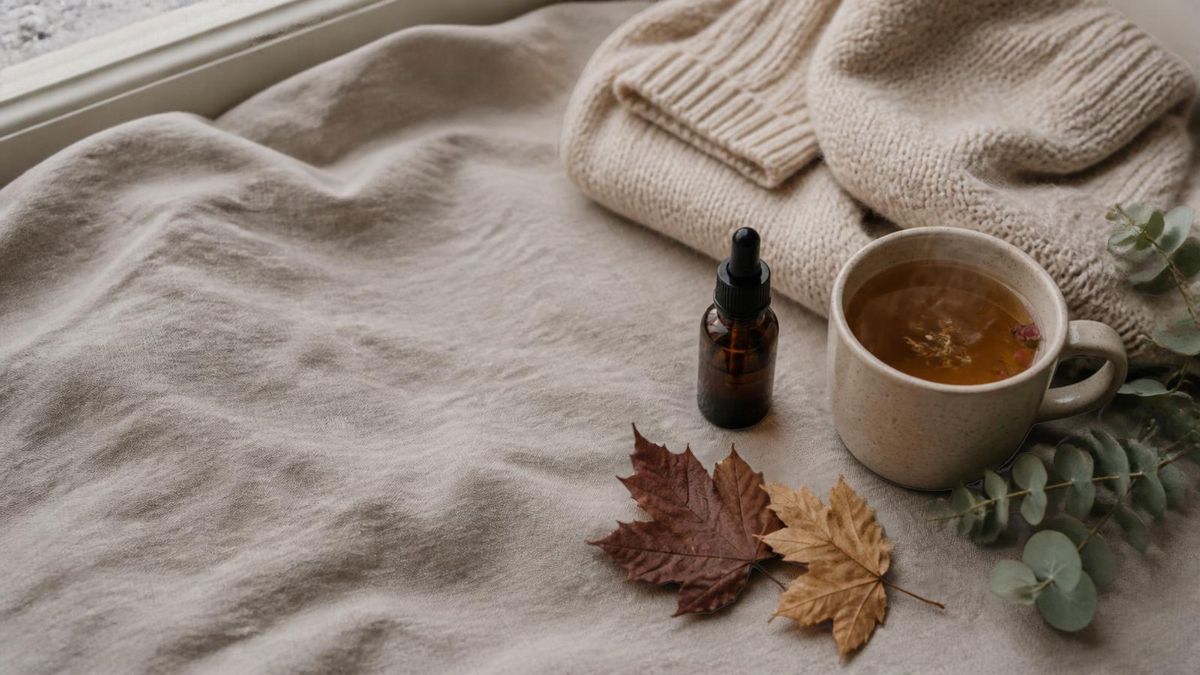
Your November Skincare Routine: Cold Wind, Central Heating and Happy Skin
Cold wind outside, central heating inside. Your skin is dealing with two climates every single day this month. Let’s talk about why that matters and how to keep your glow until spring.
Read more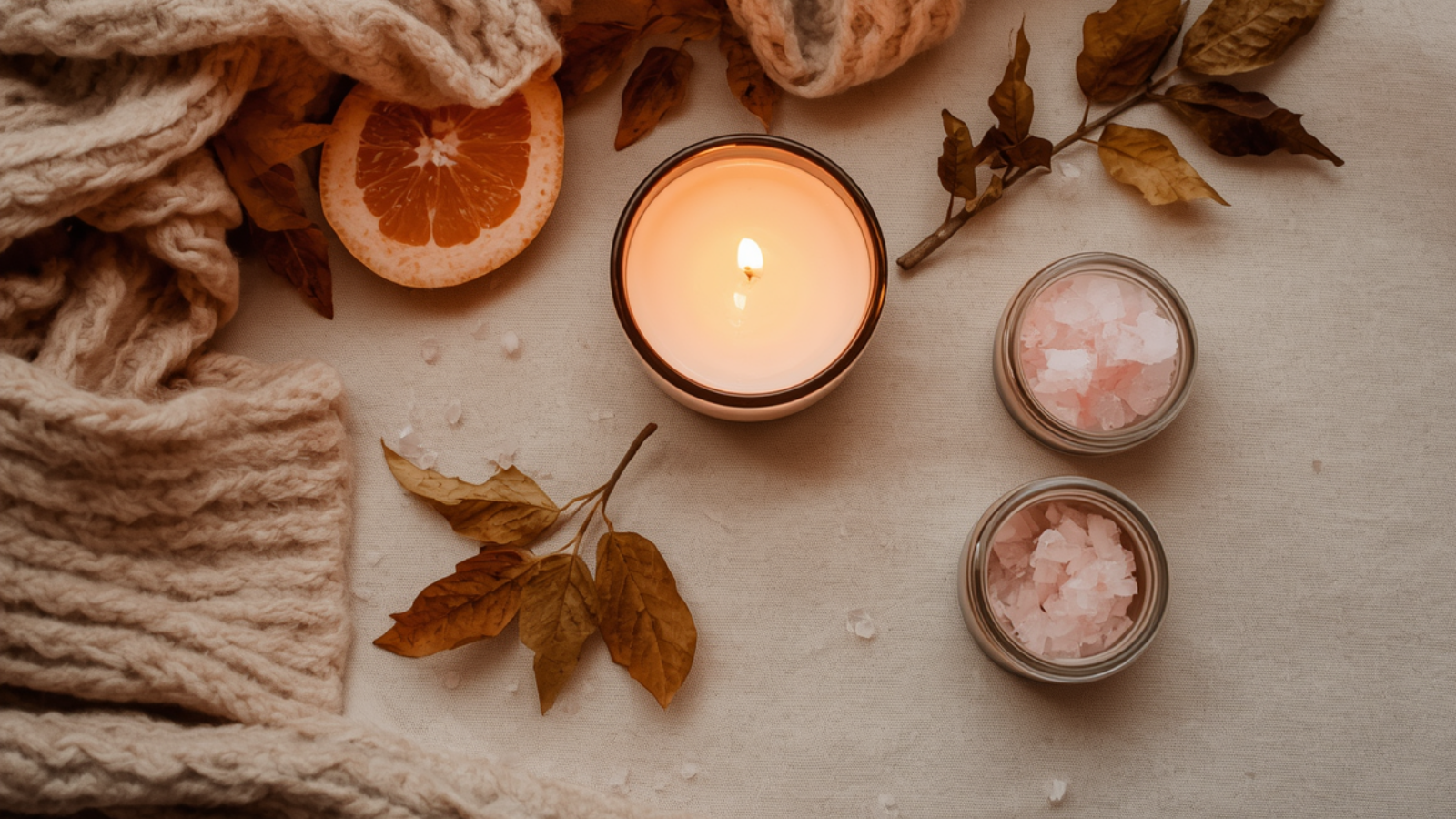
Why September Feels Like The Real New Year (And What To Do About It)
The candles are out, the jumpers are on, and September finally feels like an exhale. Here's why now, more than January, is the moment to build a skincare ritual that actually sticks.
Read more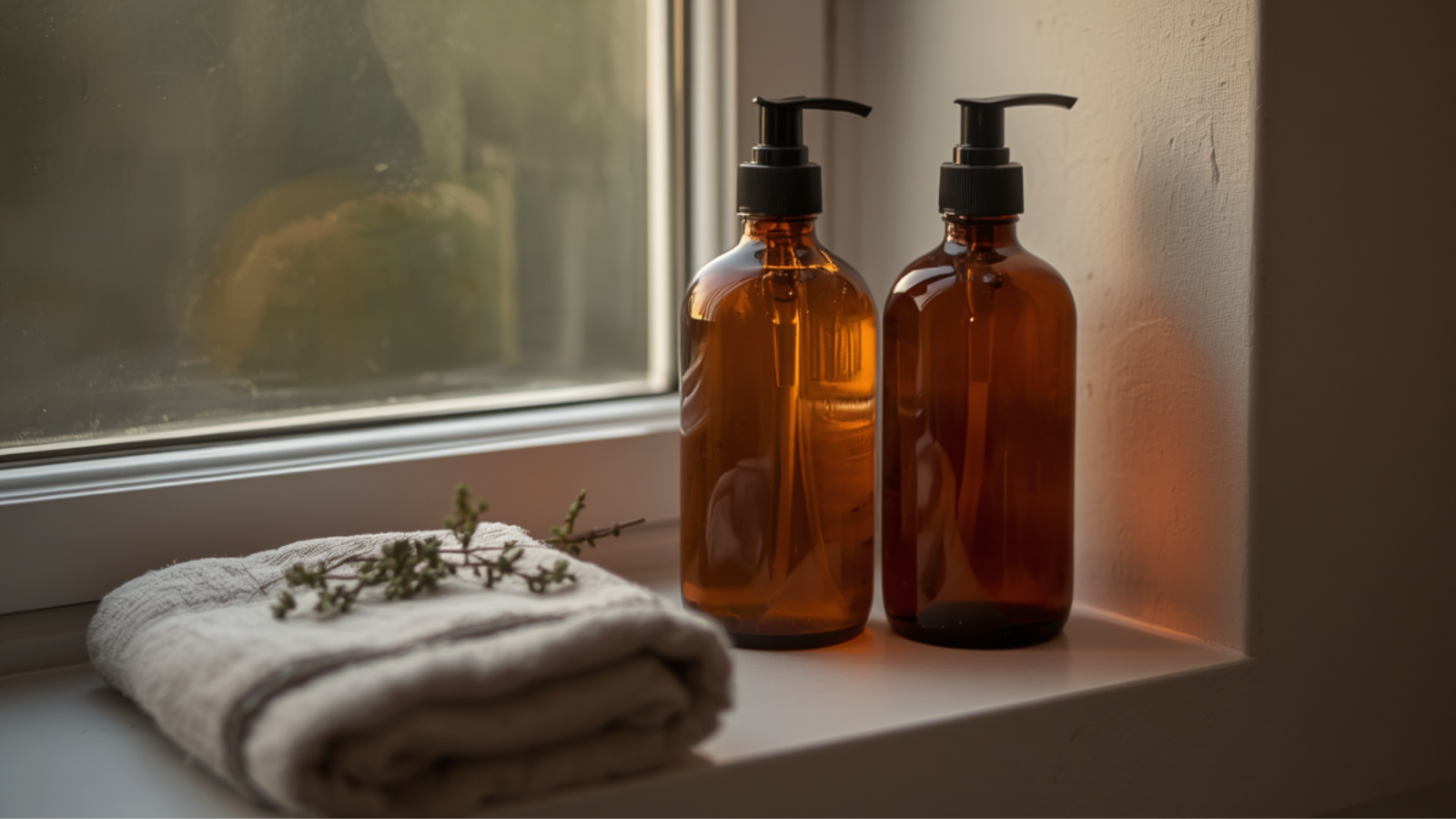
Make Space to Thrive: How Your Skincare Ritual Becomes a Steady Source of Calm
Your home can be a source of calm and so can the five minutes you spend at your sink. Here’s how a simple skincare ritual soothes your mind as gently as it cares for your skin.
Read more
The Ocean Is Changing - And What We Put On Our Skin Is Part of the Story
We make everything by hand beside the sea, so the ocean isn't an abstraction to us, it's the view. This World Ocean Day, a few honest words on ocean acidification, the marine food web and the packa...
Read more
Cameron Diaz Tried to Warn Us. A Decade On, We’re Selling Anti‑Ageing Cream to Children.
Cameron Diaz warned us a decade ago that there's no such thing as anti-ageing. Today, children are buying wrinkle cream. Here's an honest look at ageing and beauty.
Read more
Sunscreen: What's Actually in the Bottle (And Why It Matters More Than You Think)
Most of us know we should wear sunscreen. But do you know what's actually in it? From hormone-disrupting filters to reef-killing chemicals hiding in plain sight - this is the sunscreen conversation...
Read more
Why Your Skin Might Be Begging You To Do Less
The skincare industry has spent decades convincing us that more is more. More products, more steps, more solutions to problems we may not actually have. But what if the most generous thing you can ...
Read more
Healthy Skin Has Nothing to Do with Looking Younger
There's a backlash brewing against skincare, and honestly, we understand it. But refusing the pressure to look younger is not the same as refusing to look after yourself. Puremess founder Gemma on ...
Read more
What Is Biomimetic Skincare And Why Your Skin Has Been Waiting For It
Biomimetic skincare is having its moment and if you're already using natural formulations, your skin may already be benefiting without you knowing it. Puremess co-founder Gemma explains what biomim...
Read more
Eco‑Friendly Gifts People Actually Use (Not Just Admire)
The most meaningful eco-friendly gifts are the ones people actually use. Discover thoughtful, practical ideas that support everyday rituals without waste or excess.
Read moreAwards